Ledgers, understand that first, before yapping about blockchain
12 panels

What is a Ledger?
At its absolute core, a ledger is just a record book. For thousands of years, it has been the primary method human beings use to track economic activity. Whether it is carved into clay tablets, written in a physical accounting book, or stored in an Excel spreadsheet, a ledger records transactions.
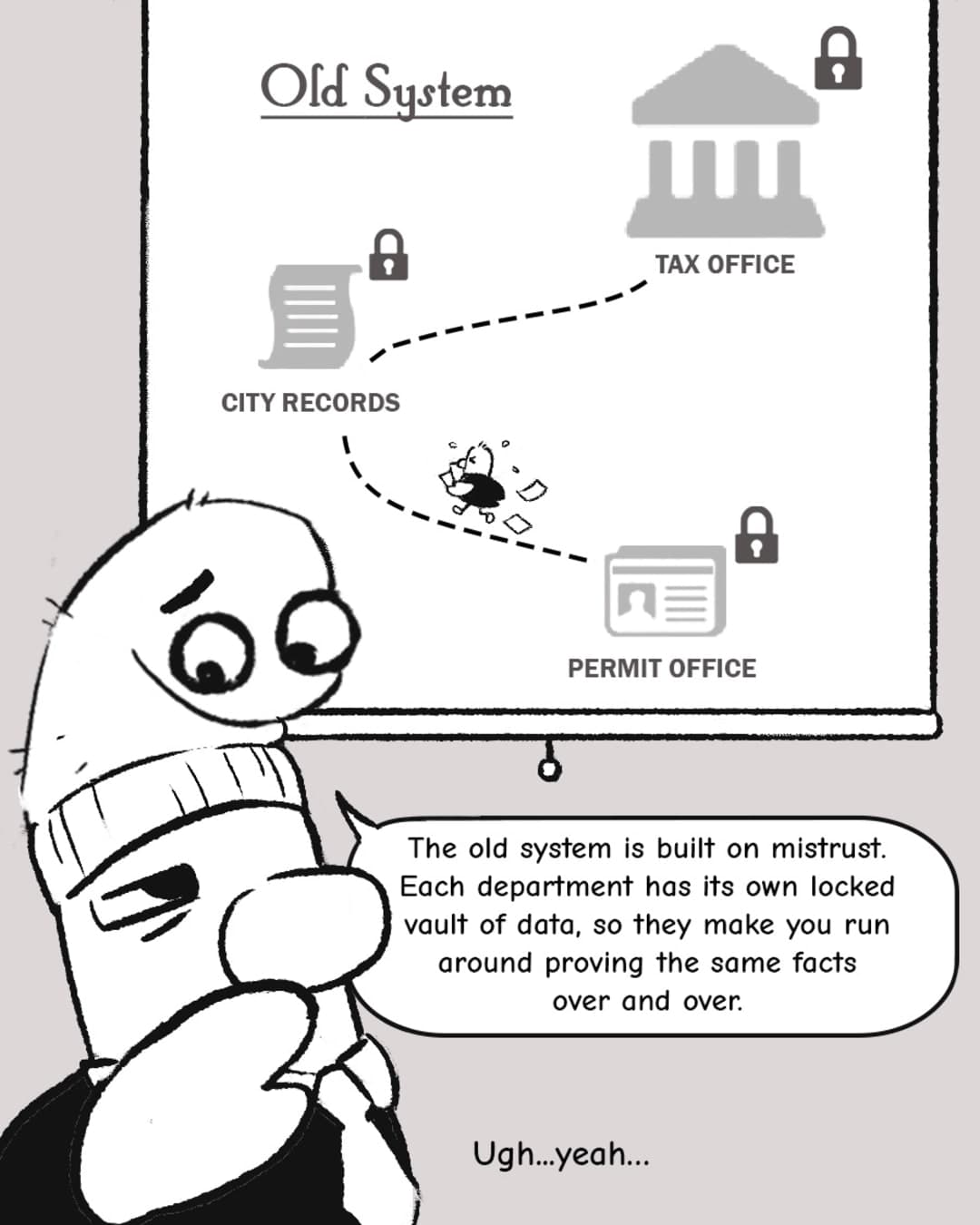
For a traditional ledger to work, we have to implicitly trust whoever holds the pen. We trust the bank not to invent phantom transactions, we trust the corporation not to alter the spreadsheet, and we trust their servers not to get hacked.
But traditional ledgers have a fatal flaw: they have a single point of failure. The entity controlling the ledger has the power to edit, censor, or destroy the history.
The Jump to Blockchain
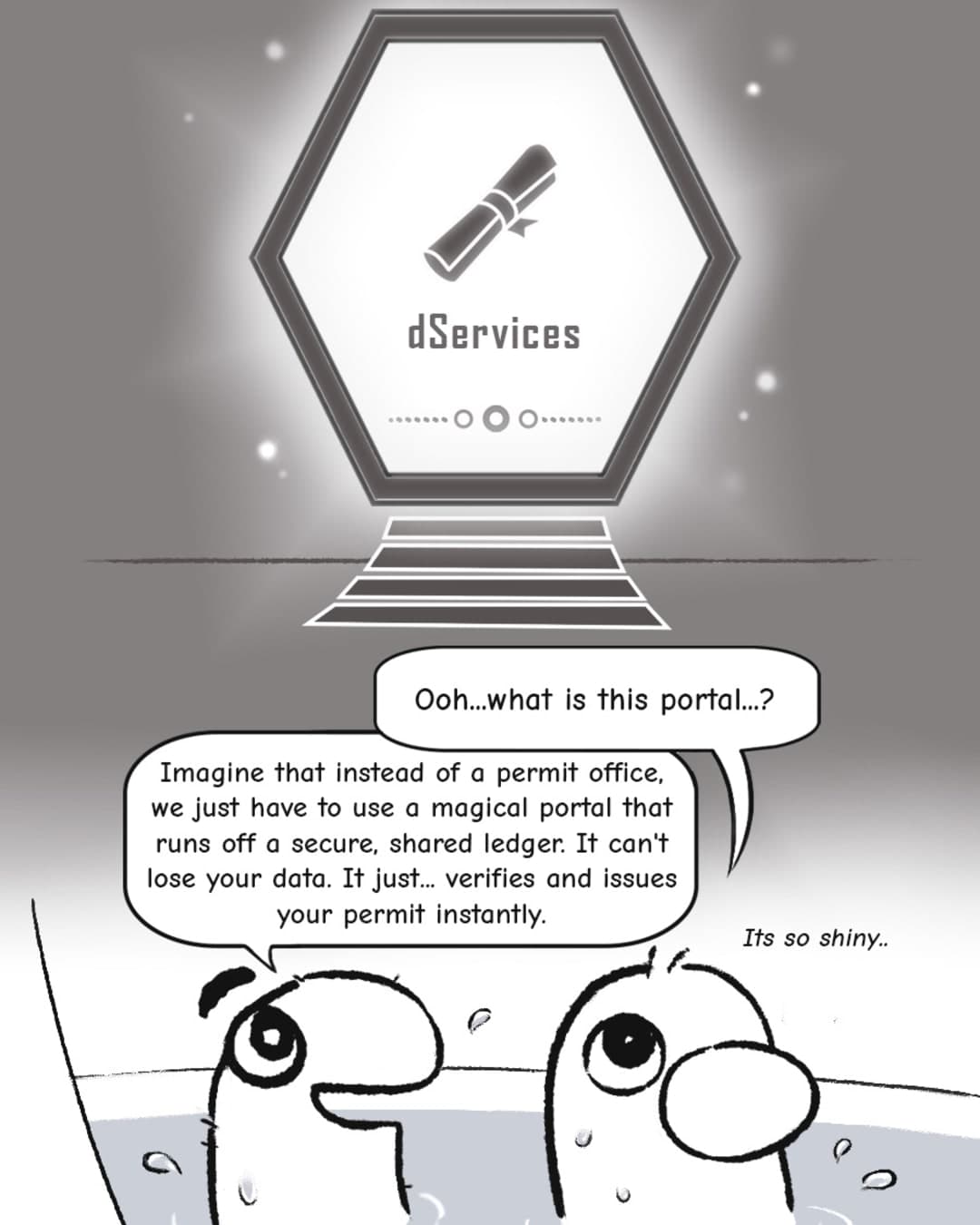
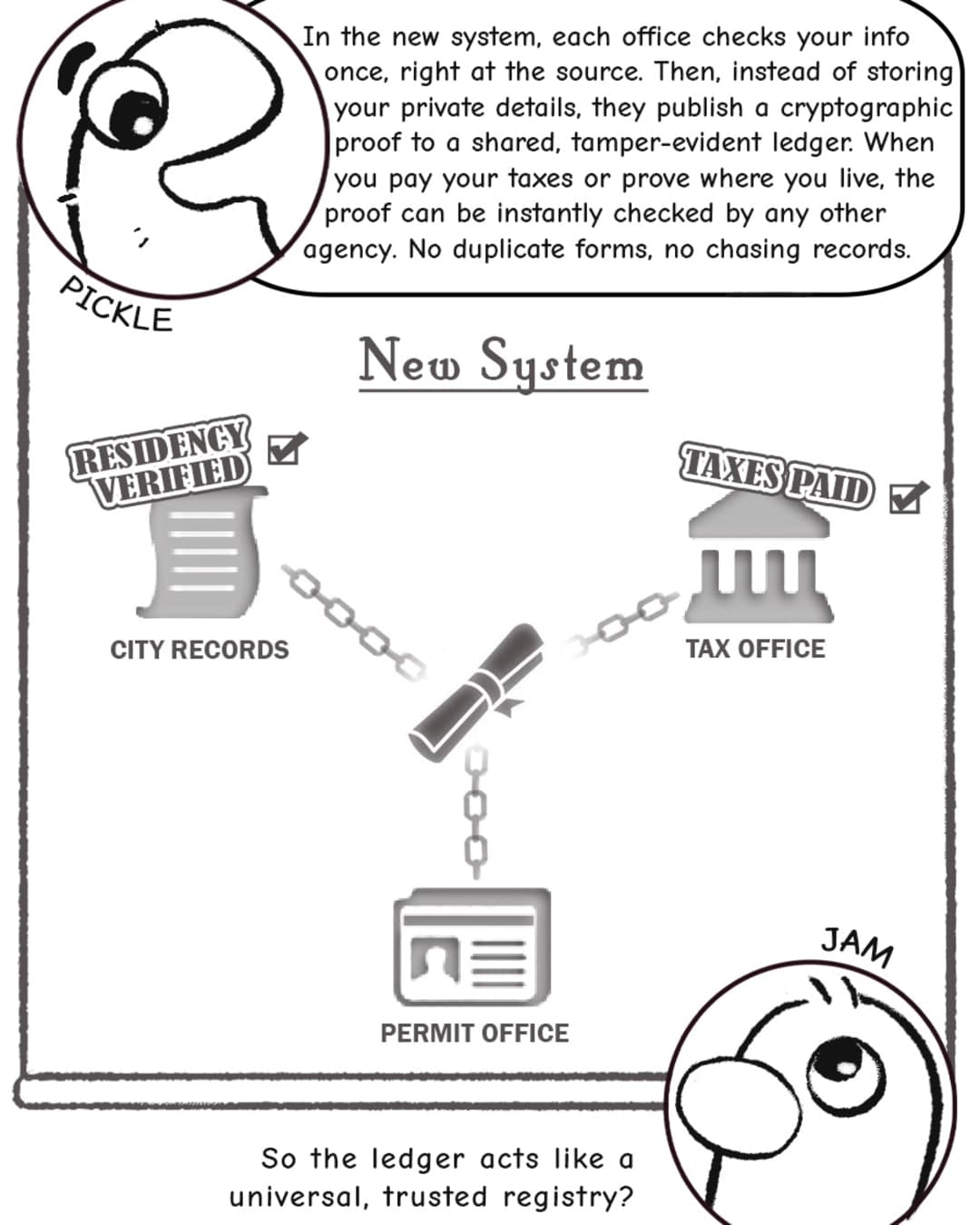
Once you understand that a ledger is just a trusted list of transactions, blockchain immediately makes sense. A blockchain is simply a Distributed Ledger. It takes the power of the pen away from a central authority and gives it to a network.
Unlike an Excel sheet where you can backspace a mistake, a blockchain is append-only. You can only add new pages; you can never erase the past.
Beyond that?
Under the hood, a blockchain is just stacking several key mechanisms to keep this distributed ledger secure without a middleman:
=> Distributed nodes where instead of one server holding the master copy, thousands of computers (nodes) hold identical copies of the ledger. If one node tries to lie, the rest of the network rejects it.
=> Cryptographic chains, a cryptographic mechanism used to secure the data to ensure a recorded transaction cannot be tampered with. Every new page (block) of transactions is mathematically locked to the previous page using cryptography. If you try to alter a transaction from a year ago, it breaks the mathematical lock on every single page that came after it.
=> Consensus (Proof of Work) is a mathematical competition that the network uses to agree on who gets to validate and add the newest batch of transactions to the ledger.
Panels
More work

Waittt, CDC Vouchers actually use blockchain technology?
Building inclusivity in digital currencies.
2026
Bet you didn't know your graduation transcript is a blockchain technology
Illustrated walkthrough of payment intent lifecycle, webhooks, and error handling. Distributed at Stripe Sessions 2026.
2026
Search Engine Optimaaa.. sa.. Achewwww tion..
Are there more behind how Search Engine emulate our thinking?
2025